The Essential Guide to Commercial Airline Stretcher Services for Safe Medical Transport
Learn more about commercial airline stretcher and how it applies to your specific needs.
When a patient requires medical transport over long distances, the logistics can be overwhelming. Families often face the difficult decision of how to move a loved one who is bedridden or critically ill while ensuring comfort and safety. A offers a practical and cost-effective solution that combines the speed of commercial aviation with the medical support needed during transit. This service allows patients to lie flat throughout the flight, reducing the risk of complications and making the journey far more tolerable. In this comprehensive guide, we explore everything you need to know about arranging a stretcher on a commercial flight, from the booking process to medical considerations and costs.
Learn more about airline stretcher Canada and how it applies to your specific needs.
Many people assume that air ambulance flights are the only option for seriously ill travelers, but commercial airline stretchers provide a viable alternative. These stretchers are specially designed to fit into a section of the aircraft where several seats are removed, creating a secure and private space. The patient is monitored by a medical escort, often a nurse or paramedic, who accompanies them for the entire journey. This setup is particularly popular in regions like Canada, where distances are vast and access to specialized care may require travel to major urban centers. For example, services have helped countless families bring loved ones home or reach top-tier hospitals without the exorbitant cost of a private jet ambulance.
What Is a Commercial Airline Stretcher?
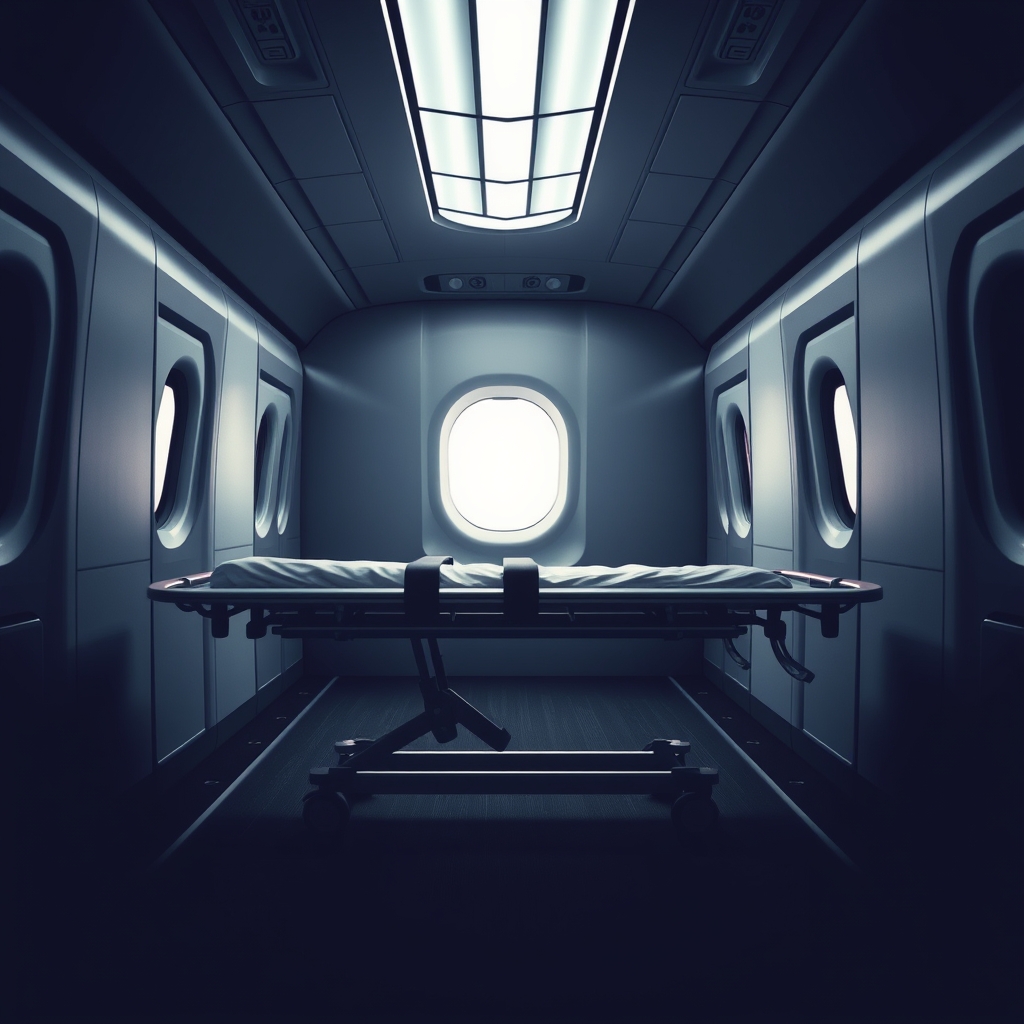
A commercial airline stretcher is a medical transport system installed on a regular scheduled flight. It typically consists of a lightweight, padded board that can be secured to the aircraft floor using special brackets. The stretcher allows the patient to remain in a supine position for the duration of the flight, which is essential for individuals with spinal injuries, severe respiratory issues, or post-surgical recovery needs. The area around the stretcher is usually curtained off to provide privacy, and the accompanying medical team has access to oxygen, suction, and monitoring equipment as needed. Airlines such as Air Canada, WestJet, and Lufthansa offer these services on select routes, making it easier for patients to travel across provinces or internationally.
The process begins with a medical assessment to determine if the patient is stable enough for commercial travel. A specialized medical escort then coordinates with the airline to reserve the stretcher space, which often requires booking several seats. This arrangement is far more affordable than an air ambulance, yet it still provides a high level of care. For residents of Alberta, finding reliable providers is crucial, and many turn to services that understand local regulations and airport protocols. These services ensure that the patient transitions smoothly from hospital to airport, through security, and onto the aircraft.
Who Benefits from Commercial Airline Stretcher Transport?
Commercial airline stretchers are ideal for patients who are medically stable but cannot sit upright for extended periods. Common scenarios include elderly individuals recovering from hip surgery, patients with advanced heart conditions, or those requiring palliative care who wish to return home. The service is also used for organ transplant recipients traveling to a transplant center, or for individuals with severe fractures that require immobilization. Because the patient is accompanied by a medical professional, families gain peace of mind knowing that any changes in condition will be addressed immediately.
Another group that benefits significantly are those living in remote or rural areas. For instance, a patient in a small town in Alberta may need specialized treatment available only in Calgary or Edmonton. Using a service on a commercial flight can reduce travel time from days to hours, which is critical for time-sensitive conditions. Additionally, international patients who require repatriation to their home country often choose this method because it balances cost and safety. The medical escort handles all in-flight care, including medication administration and vital sign monitoring, allowing the family to focus on emotional support.
How to Arrange a Commercial Airline Stretcher
Arranging a stretcher on a commercial flight requires careful planning and coordination. The first step is to contact a medical transport coordinator who specializes in airline stretcher bookings. They will review the patient’s medical records, including recent test results and a letter of medical necessity from the treating physician. The coordinator then contacts the airline to request a stretcher reservation, which must be made at least 48 hours in advance, though last-minute arrangements are possible in emergencies. The airline will assign a specific row where seats are removed, and the patient is boarded before other passengers to ensure a smooth setup.
Medical escorts are typically registered nurses or paramedics with experience in flight medicine. They bring portable equipment such as a defibrillator, pulse oximeter, and emergency medications. The escort also communicates with the flight crew about any special needs, such as dietary restrictions or wheelchair assistance. For those in Alberta, services often collaborate with commercial airline stretcher providers to offer ground-to-air continuity. This means the patient is transported by ambulance from their home or hospital directly to the aircraft, and then met by the medical escort at the destination. Such integration reduces stress on the patient and ensures that no gaps in care occur.
Learn more about commercial airline stretcher alberta and how it applies to your specific needs.
Cost is a significant factor for many families. A commercial airline stretcher typically costs between $5,000 and $15,000, depending on the route, number of attendants, and additional medical equipment. While this is expensive, it is often a fraction of the cost of a dedicated air ambulance, which can exceed $50,000 for a long-distance flight. Some insurance plans, including travel insurance and provincial health coverage, may reimburse part of the expense if the transport is deemed medically necessary. It is essential to check with the insurance provider before booking and to keep all receipts and medical documentation.
Medical Considerations and Safety Protocols
Learn more about stretcher patient transport and how it applies to your specific needs.
Safety is paramount when transporting a patient on a commercial flight. The medical escort performs a pre-flight assessment to ensure the patient is fit to fly, paying attention to oxygen saturation, blood pressure, and pain levels. The aircraft cabin is pressurized, but the lower oxygen levels can affect patients with respiratory issues. Therefore, supplemental oxygen is often provided, and the escort monitors the patient continuously. The stretcher is secured to the aircraft floor using approved tie-downs that meet aviation safety standards, preventing any movement during turbulence.
Another consideration is the risk of deep vein thrombosis (DVT) due to prolonged immobility. The medical escort may perform passive range-of-motion exercises or use compression devices to maintain circulation. Medication schedules are adjusted to account for time zone changes, and the escort ensures that all medications are properly stored and accessible. Communication with the flight crew is ongoing, and the escort has a direct line to the cockpit in case of an emergency. For patients with infectious diseases, special isolation protocols may be implemented, including the use of personal protective equipment by the escort.
Families often worry about the psychological impact on the patient, especially if they are anxious about flying. The medical escort provides reassurance and can administer mild sedatives if prescribed. The privacy curtain helps the patient feel less exposed, and the escort can also assist with communication between the patient and family members who may be seated nearby. Overall, the combination of medical expertise and compassionate care makes commercial airline stretcher transport a safe and dignified option for those who cannot travel conventionally.
Comparing Commercial Airline Stretcher with Air Ambulance
When deciding between a commercial airline stretcher and an air ambulance, several factors come into play. Air ambulances are essentially flying intensive care units, equipped with advanced life support systems and staffed by critical care teams. They are necessary for patients who are unstable, need ventilator support, or require immediate surgical intervention during flight. However, air ambulances are extremely expensive, often costing $10,000 to $25,000 per hour of flight time. They are also limited by aircraft availability and may not be able to land at smaller airports.
In contrast, a commercial airline stretcher offers a more accessible price point and the convenience of scheduled flights. The patient travels on a regular airline, which means they have access to the same amenities as other passengers, such as meals and restrooms (with assistance). The medical escort ensures that the patient’s needs are met, but the level of care is not as intensive as in an air ambulance. Therefore, the choice depends on the patient’s medical stability and the urgency of the transport. For many patients with chronic conditions or stable post-operative status, the commercial option is perfectly adequate.
Insurance coverage also differs. Many health insurance plans cover air ambulance transport only in life-threatening emergencies, while commercial airline stretcher services may be covered under travel insurance or extended health benefits. It is advisable to consult with a medical transport specialist who can help navigate insurance claims and provide cost estimates. They can also assist with documentation required by the airline, such as a medical clearance form and a fit-to-fly certificate.
Tips for a Smooth Stretcher Transport Experience
Learn more about air ambulance alberta and how it applies to your specific needs.
To ensure a successful journey, preparation is key. Start by gathering all medical records, including a letter from the doctor stating that the patient is stable for commercial flight. Notify the airline of any special equipment, such as a portable oxygen concentrator or a wheelchair, and confirm that the stretcher reservation is confirmed in writing. Pack a small bag with essential items like medications, a change of clothes, and comfort items like a favorite pillow or blanket. The medical escort will have their own equipment, but personal items can help the patient feel more at ease.
Arrive at the airport early to allow time for check-in and security. The medical escort will coordinate with airline staff to board the patient first, and family members may be allowed to accompany them to the gate. During the flight, the escort will monitor the patient and provide updates to the family. After landing, ground transportation should be prearranged, whether it is an ambulance or a wheelchair-accessible vehicle. Many transport companies offer door-to-door service, ensuring a seamless transition from the aircraft to the final destination.
Finally, communicate openly with the medical escort about any concerns. They are trained to handle a wide range of situations, from motion sickness to changes in vital signs. Trust their expertise and allow them to focus on the patient’s care. With proper planning, a commercial airline stretcher can be a lifesaving and stress-reducing solution for families facing a medical transport crisis.
FAQs
What is the difference between a commercial airline stretcher and an air ambulance?
A commercial airline stretcher is installed on a regular scheduled flight, allowing the patient to lie flat while being attended by a medical escort. An air ambulance is a dedicated medical aircraft equipped with intensive care capabilities and staffed by a critical care team. The commercial option is more affordable but suitable only for stable patients, while air ambulances are for emergencies.
How far in advance do I need to book a commercial airline stretcher?
It is recommended to book at least 48 to 72 hours in advance to ensure availability. However, some providers can arrange last-minute bookings within 24 hours if the patient is stable and all medical documents are ready. Early booking also allows for better coordination with the airline and ground transport.
Can family members travel with the patient on the same flight?
Yes, family members can usually travel on the same flight, but they will be seated in regular seats, not in the stretcher area. The medical escort will be the primary caregiver. Some airlines allow one companion to sit near the stretcher if space permits, but this must be arranged in advance.
Does insurance cover the cost of a commercial airline stretcher?
Coverage varies by insurance plan. Many travel insurance policies and some provincial health plans (like Alberta Health Services) may cover part of the cost if the transport is medically necessary. It is important to get pre-approval and keep all documentation. A medical transport coordinator can help with the claims process.